
Soundproof Windows
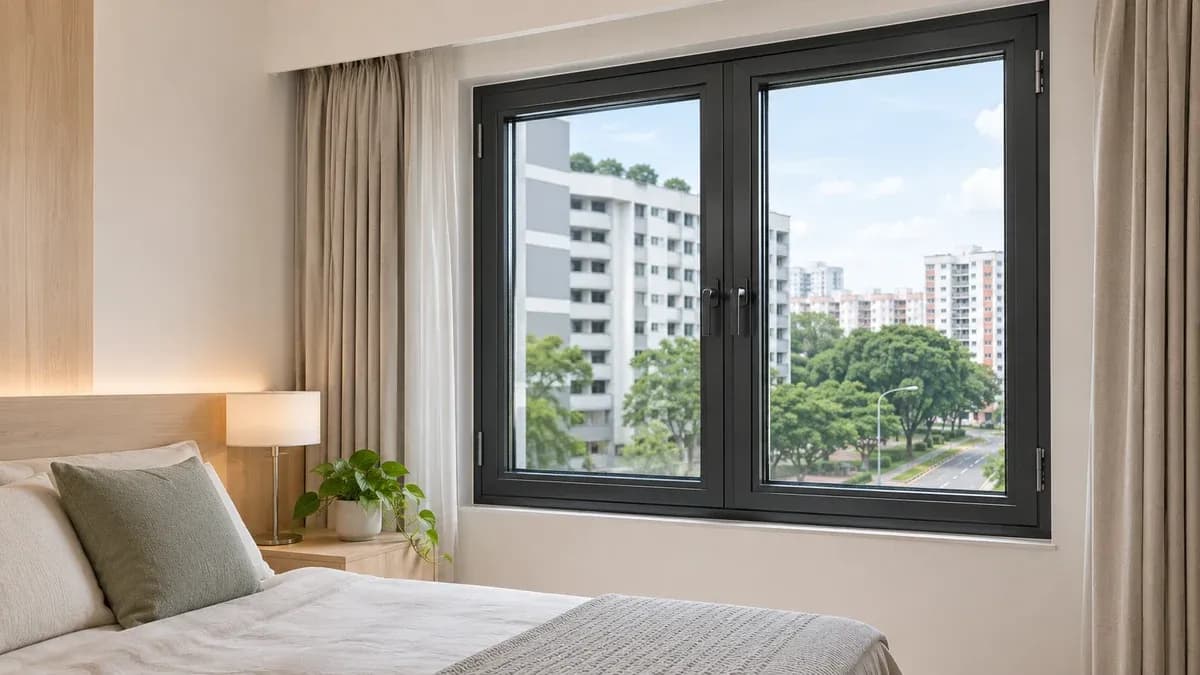
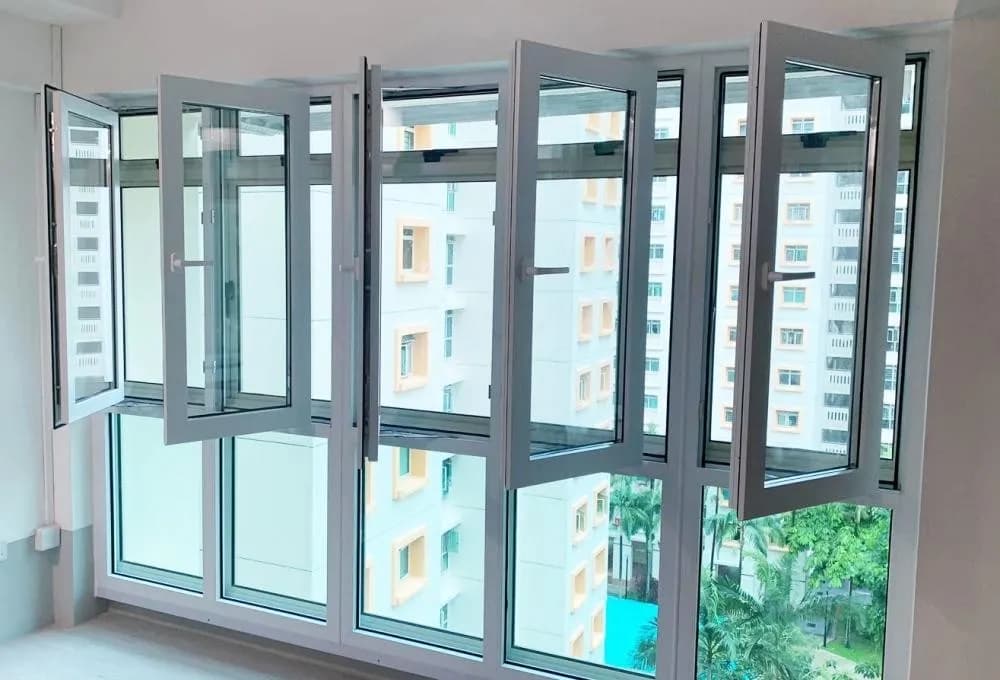
For road-facing bedrooms and studies, assess glass replacement alongside frame condition and closing seals. See our glass window services.


Road noise reaching your bedroom? Conversations carrying through the office? RH Glass Solution provides Soundproof Glass Installation for Singapore homes and workplaces. We assess the glass, frame and surrounding gaps to help you choose a suitable upgrade for your room and budget.


Rated on Google
What RH GLASS SOLUTION PTE LTD customers say on Google.
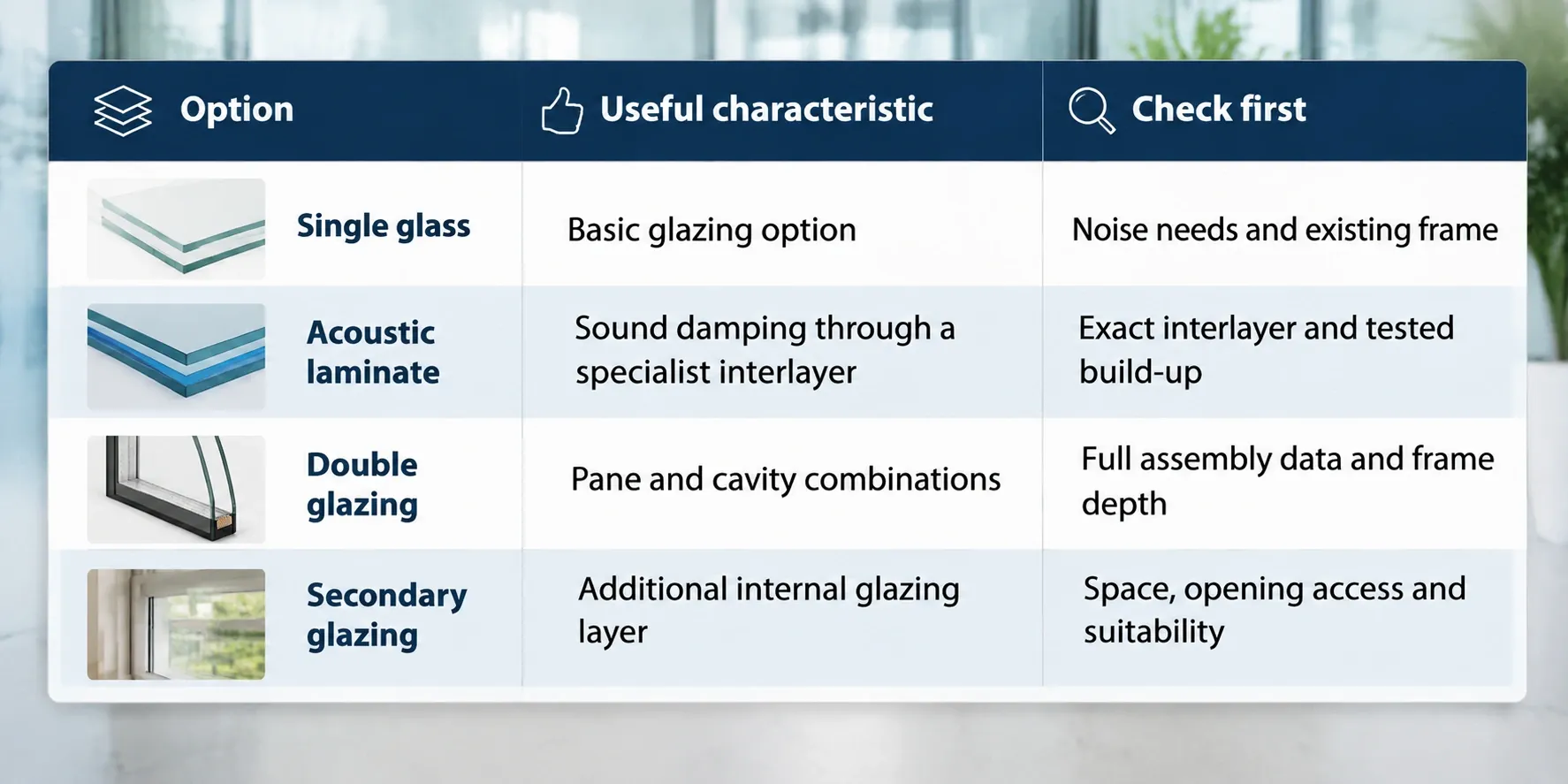
Acoustic laminated glass uses a sound-damping interlayer. Double glazed glass adds a cavity between panes. As Pilkington’s noise-control guidance explains, glass thickness, lamination and the glazing cavity influence sound insulation. The frame, seals and installation must suit the chosen glass.
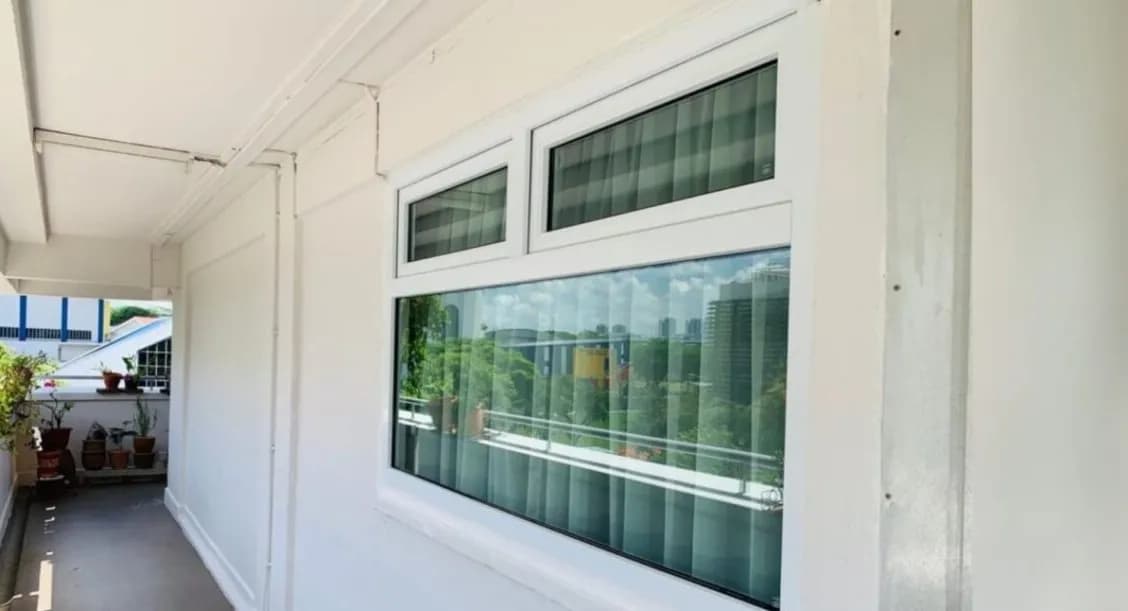
For HDB window work, review the HDB window renovation guidelines. Installation or replacement requires an approved window contractor listed in HDB’s directory. Condo owners should check management requirements before ordering a change to windows or the façade.


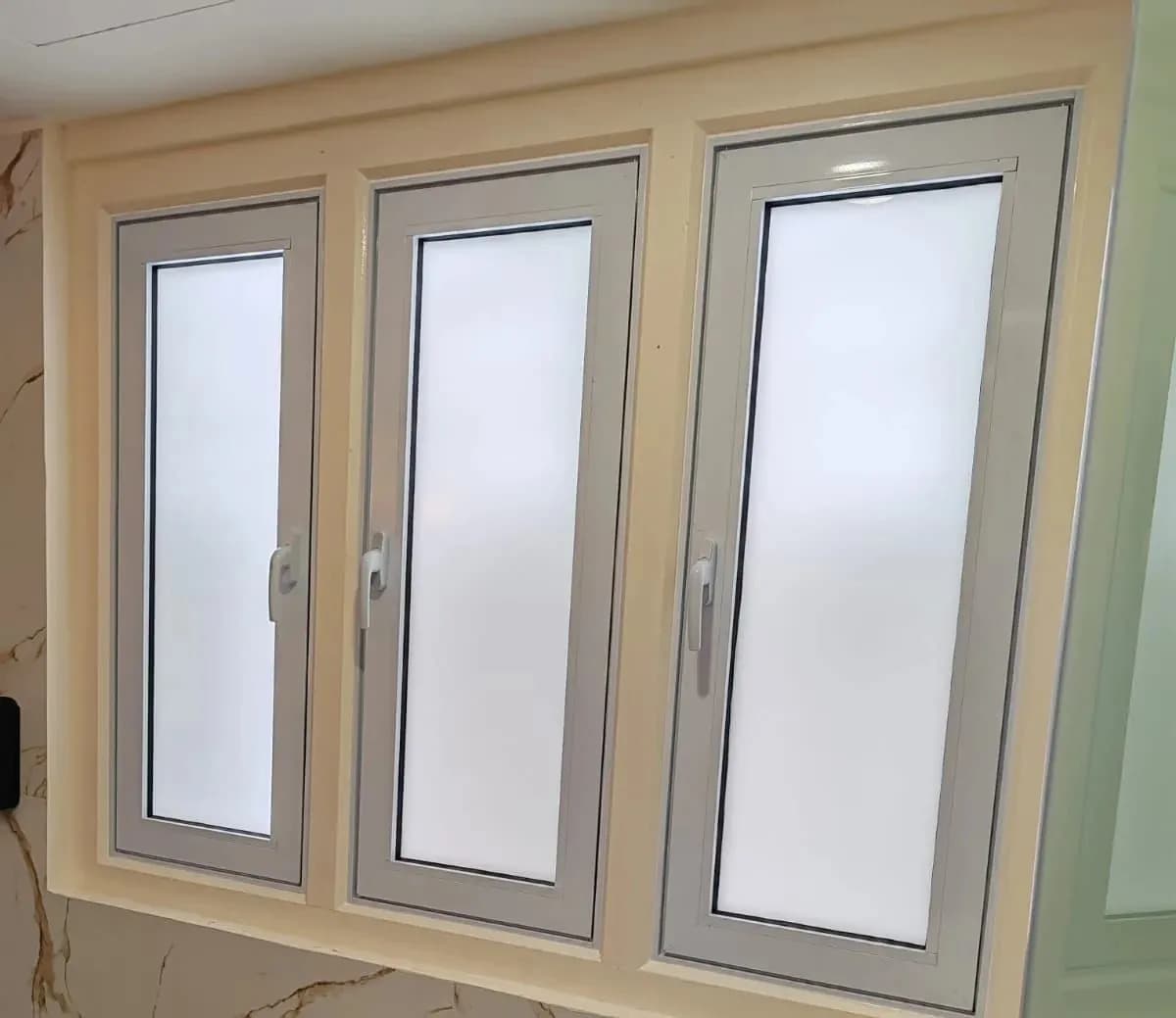
For road-facing bedrooms and studies, assess glass replacement alongside frame condition and closing seals. See our glass window services.

Door edges and thresholds need attention alongside the panel. Review suitable hardware and glass door options before choosing the system.

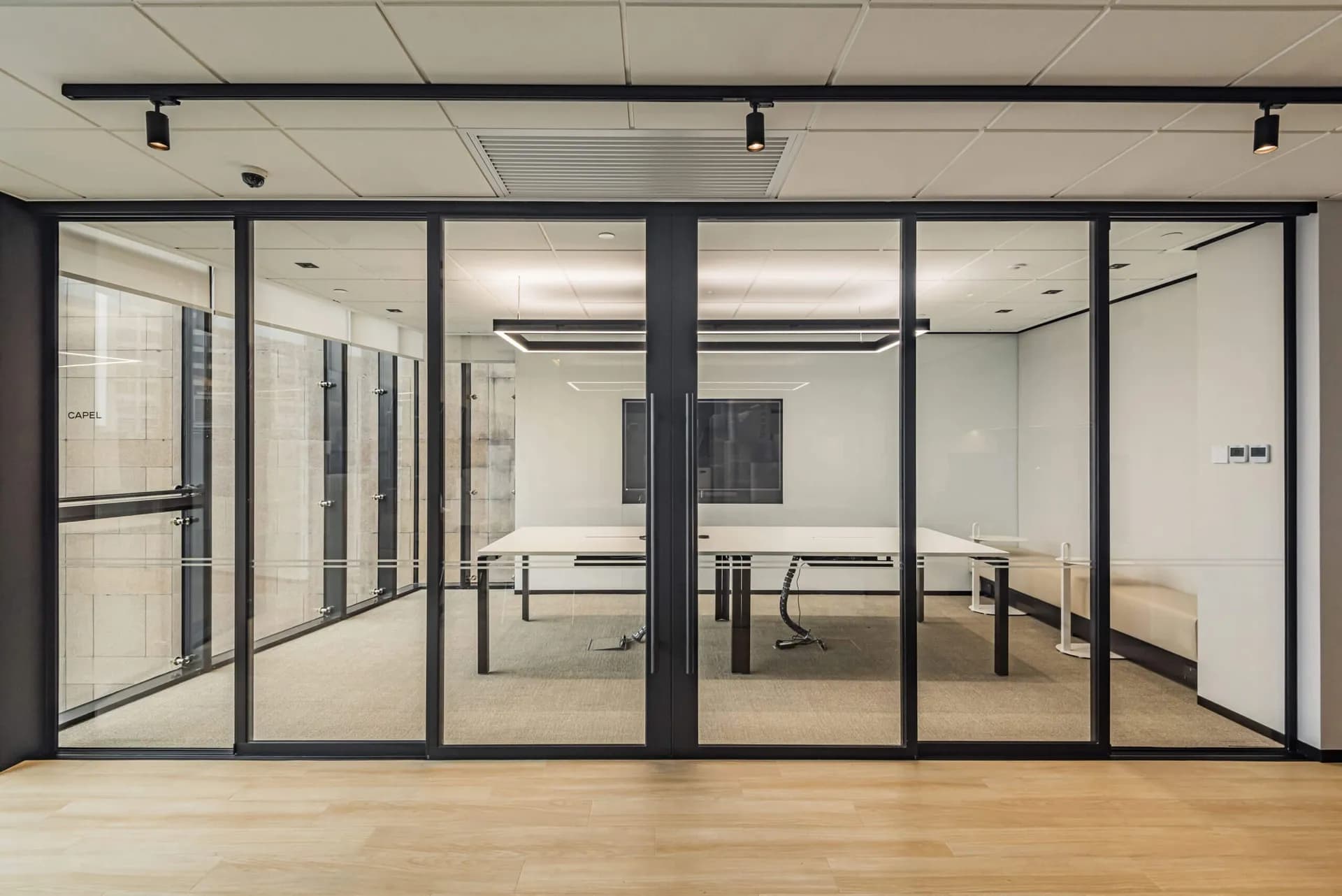
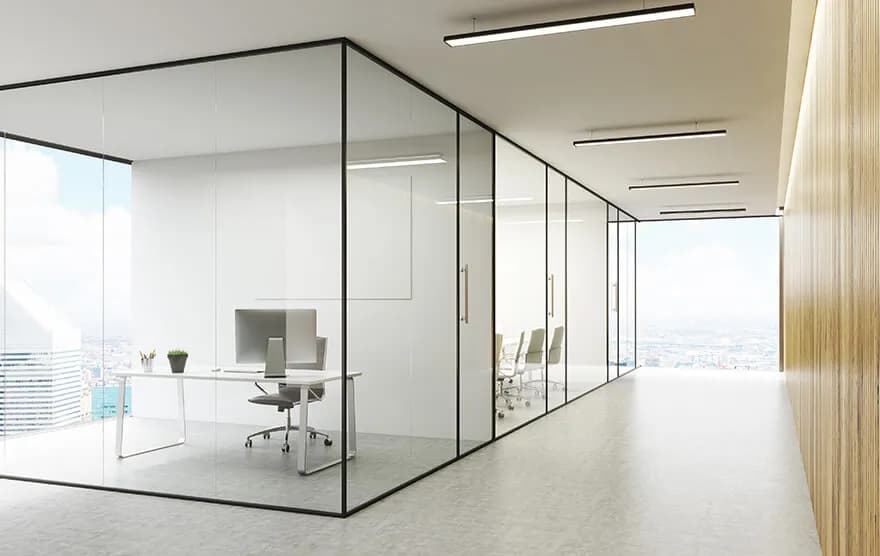
For people searching “soundproof glass partition sg”, speech privacy depends on the enclosure, doors and ceiling junctions. Explore our glass partition services.

A specialist interlayer can improve sound insulation. Confirm the actual product and supporting data, rather than assuming every laminated panel performs equally.

Select the pane combination and cavity to suit the brief. Two panes alone do not establish an acoustic rating.

Where gaps or worn components contribute to noise, discuss repair or sealing work before committing to a complete replacement.

RH Glass Solution lists windows, doors and partitions among its Singapore services. You can discuss the panel, fittings and surrounding opening together, then review a quotation against the work your property needs.
Soundproof glass reduces sound passing through a glazed opening. It does not make a room silent. The result depends on the selected assembly and other routes through which noise enters. A road-facing bedroom in Bedok needs a different assessment from a meeting room in Tanjong Pagar.
Choose a build-up that suits the opening and the disturbance being addressed.
Inspect the joints and closing edges that can let sound pass around the glass.
Discuss remaining sound paths and the limits of any proposed improvement.
If heat is also a concern, request the relevant thermal and solar specifications.
Agree frame colour, visible trims and sealant finish before fabrication.
Ask how to clean seals, look after hardware and report operating problems.
Use this comparison as a starting point. A laboratory rating for a glass sample is not a guaranteed reduction inside your room. Ask which test report applies to the complete proposed window, door or partition.

Avoid choosing solely by thickness or a headline decibel figure. Ask whether the rating describes Rw, STC or a measured site result, and whether it addresses the noise troubling you.
Swipe sideways to see all columns
We start with the room and the disturbance you want to reduce. Share when the noise occurs, whether windows are normally closed, and which activities it interrupts.
Send photos, approximate dimensions and your address. We review the noise source, frame condition, access and possible sound paths before recommending the next step.
Agree the glass assembly, seals, frame work and written scope. Confirm applicable approvals, price inclusions and any performance testing before fabrication.
Confirm measurements and site arrangements. The installation programme should allow for safe handling, protection, fitting and the specified sealant curing requirements.
Check operation, visible seals and finish. Any formal acoustic measurement must be agreed separately, with a defined method and acceptance criteria.
Find your solution from frequently asked by customer
The price depends on opening size, glass specification, frames, seals, hardware and site access. Ask for a written quotation separating supply, fitting, removal and any testing or approval work. Photos and approximate measurements help the initial discussion, but final pricing should follow confirmation of the actual scope.
No glazing system can promise silence in every room. Results depend on noise frequency, the complete assembly and other routes through the building. Low frequency rumble can be difficult to address. Ask for relevant test evidence and discuss what improvement is realistic for your particular opening.
Sometimes, provided the existing frame is sound and can safely accept the new glass thickness and weight. Worn seals, shallow rebates or unsuitable hardware may limit the options. A site assessment should compare a glass-only change with repair, secondary glazing or replacement before you choose the scope.
Timing depends on measurements, material availability, fabrication, approvals and the number of openings. Ask for separate fabrication and on-site installation dates. Your quotation should also explain curing time, access restrictions and when the room can be used normally. Confirm the programme before arranging leave or moving furniture.
For HDB window installation or replacement, use an approved window contractor listed in HDB’s directory and confirm the applicable requirements. Condo owners should obtain their management’s conditions for the proposed work. Check façade restrictions, access and permitted working hours before ordering glass or changing the existing window system.
It can help when the complete enclosure is designed for speech privacy. Doors, seals, ceiling voids and adjoining walls can carry sound around the panels. Explain the level of privacy needed and ask for evidence for the proposed assembly. A glass-only rating does not establish privacy for the finished room.
在新加坡,组屋(HDB)、公寓(Condominium)和有地住宅(Landed Property)都可以考虑安装隔音窗,以减少交通噪音、施工声和周围环境噪音。不过,不同住宅类型可能受到不同的安装规定限制。组屋业主应先确认建屋发展局(HDB)的相关规定,公寓业主则应向管理委员会(MCST)了解外观、窗框更换及施工要求。有地住宅业主也应确认适用的建筑和安装要求,再选择合适的隔音窗系统。
可以。新加坡组屋(HDB)业主可以根据住宅结构和噪音情况考虑安装隔音窗,以减少交通噪音、邻里声音及周围环境噪音。安装前应确认建屋发展局(HDB)的相关规定、窗户更换要求及施工限制,并选择适合现有窗框和建筑结构的隔音玻璃系统。建议先进行现场评估,再确定玻璃类型和安装方案。
答案: 隔音玻璃注重降低噪音传递,而夹胶玻璃通过中间隔音膜层帮助减轻声音振动,具体隔音效果取决于玻璃结构和整体安装系统。